
Consistency is Key: Keep the Rumen Ecosystem Healthy and the Animal Performing at Its Best
Cows are creatures of habit and thrive on routine. Whether the goal is to increase milk yield, improve herd health, decrease metabolic disorders or improve reproductive performance, consistency creates the physiological stability a cow needs to perform at her peak. Just like the different tools and machines on a farm that each perform a specific task, the cow’s rumen also depends on different “workers” to keep digestion running efficiently.

The Foundation of optimal rumen function:
The rumen is a highly specialized fermentation chamber that works best under consistent conditions. Microbial balance, fermentation rate, pH, and nutrient absorption all depend on a stable diet and management. Since rumen microbes adapt slowly, even minor changes in the ration or daily routine can disrupt this delicate ecosystem and reduce performance.
A steady supply of fermentable carbohydrates and fibre, along with consistent dry matter intake (DMI), supports stable rumen pH, microbial protein synthesis, and lowers the risk of acidosis and other metabolic disorders.
Keeping rations consistent allows rumen microbes to adapt, supporting optimal fibre digestion, steady volatile fatty acid production, and overall cow health.
The Rumen Microbiome: Working like farm machinery
The rumen microbiome consists of four main microbial groups, including bacteria, protozoa, fungi and archaea.
Rumen bacteria can be seen as the tractors of the rumen. The tractor does most of the work on the farm, just like bacteria do most of the digestion in the rumen. Without them, nothing really happens. Bacteria are the most numerous and metabolically diverse, and can broadly be further subdivided into fibrolytic (cellulolytic) bacteria, amylolytic bacteria, proteolytic bacteria and lipolytic bacteria.

Each group has their own specialized roles:
• Fibrolytic: Thrive at a pH of around 6.2 to 7.0 and break down cellulose and hemicellulose in forages. High rumen pH favours fibrolytic bacteria, promoting efficient fibre digestion. A lower rumen pH inhibits fibrolytic microbes and encourages the growth of starch-fermenting species. A consistent low pH reduces fibre digestion since the fibrolytic bacteria die off. This can lead to a microbial imbalance that can take days to recover.
• Amylolytic bacteria: Responsible for starch and sugar degradation. When high concentrate diets are fed, these microbes can increase rapidly and can tolerate a lower pH. When the pH drops to 5.2 or lower, most bacteria become stressed while acid-producing bacteria dominate and thrive, leading to an increased risk of subacute ruminal acidosis (SARA) or even acute acidosis.
• Proteolytic bacteria: Degrade proteins into peptides and ammonia.
• Lipolytic bacteria: Break down and hydrolyze plant lipids.
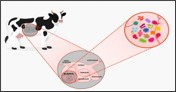
Just like a mixer wagon mixes the feed and ensures the animals get a balanced, evenly distributed ration, protozoa “hold onto” starch and slow fermentation in a similar way. Protozoa prefer a pH above 5.8 and can help moderate fermentation rates by consuming starch granules and preying on some bacteria. They make up a smaller portion of the ruminal microbiome.

Anaerobic fungi help break down tough plant cell walls and are very important when high fibre, low energy forages are consumed. They can be seen as the hammer mill used on a farm. Fungi can’t handle sudden drops in the rumen pH and recover slowly after dietary changes.

Archaea remove excess gas from the rumen. In cows, methane gas is energy lost by the animal, similar to fuel energy leaving through an exhaust pipe. Archaea are the microbes responsible for the conversion of hydrogen and carbon dioxide into methane. This helps to maintain proper ruminal fermentation by removing hydrogen produced from fibre digestion.

Just like looking after your tools and machines on the farm, farmers can support and “look after” rumen health using simple, practical management strategies.
Practical ways to keep your cows’ rumen running like a well-oiled machine:
1. Ensure a balanced ration and adequate effective fibre
De Heus developed SynchroFos (SFOS), a formulation approach designed to optimise the rumen environment, promoting microbial growth and activity, and ultimately increasing the supply of rumen microbial bypass protein. The fermentation rates of raw materials were determined and applied in formulating a balanced ration that supplies optimal levels of protein and energy in the rumen, thereby enhancing microbial efficiency. Secondly, supplying sufficient physically effective fibre stimulates chewing and saliva production, which plays a vital role in maintaining a healthy rumen. Saliva acts as a natural buffer that helps keep rumen pH stable and prevents acidosis.
2. Provide continuous access to clean water
Water intake is critical for rumen function and feed intake. A lack of water reduces saliva production, slows rumen activity, and disrupts fermentation, which quickly leads to a decline in appetite. As a result, ruminants will often reduce or stop eating entirely when water is limited. Ensure water troughs are always filled, each animal has enough space to drink and that the water is kept clean.
3. Provide a consistent, well-mixed diet
Avoid frequent changes in feed type or poorly mixed rations. Sudden spikes in starch or sugar from slug feeding can trigger rapid fermentation by amylolytic bacteria, producing excess acid and increasing the risk of acidosis and digestive upsets.
4. Maintain regular feeding times
Consistent feeding schedules help stabilise rumen pH and fermentation patterns by promoting predictable intake behaviour. Irregular feeding times cause fluctuations in fermentation patterns to which the microbial population cannot adapt quickly.
5. Promote good feed quality and hygiene
Ensure your cows always have access to fresh feed, and keep feed bunks clean to prevent the buildup of rancid feed and mould growth. Clean, fresh feed is more palatable and encourages cows to eat consistently, supporting better intake and performance. Feeding mould-free, well-preserved forages and concentrates prevents toxin intake that can harm rumen microbes and reduce intake.
6. Monitor animals regularly
Observing cud-chewing behaviour, manure consistency, milk fat (in dairy cows), body condition, and intake patterns provides early indicators of rumen health problems. Ask your local De Heus TA to assist you in Cow Signals to better monitor your herd consistently.
Take home message:
While the rumen itself is biologically complex, looking after it is largely about consistency, balance, and observation.
As a farmer, you do not need to manage the rumen at a microbial level. Instead, by focusing on diet consistency, fibre adequacy, careful feeding management and balanced nutrition with the help of your nutritionist, you can create a stable rumen environment that allows microbes to function optimally and supports animal health, productivity, and efficiency.
If you would like more tailored, farm-specific advice, feel free to contact your local De Heus technical advisor; they are there to help you optimise rumen health and overall herd performance - https://www.deheus.co.za/meet-our-team.


