
Do not let heat stress sabotage your dairy herd!
Every dairy farmer knows that cows do not just survive on feed alone, they thrive when their environment supports their wellbeing. But as climate patterns shift and summer temperatures in South Africa regularly exceed 30°C, heat stress has quietly become one of the most destructive threats to dairy operations. It doesn’t arrive like a disease or an obvious disaster, but its effect is undeniable and experienced in lower milk yields, poor conception rates, and long-term damage to herd health. The question is not whether heat stress exists, but how to stop it from sabotaging your herd.

When heat stress sets in, cows eat less, their metabolic function slows down, and milk production can fall drastically, by up to 40% in severe cases. Fertility also suffers, with conception rates dropping by 20–30%. At the same time, cows become more vulnerable to disorders like ruminal acidosis, mastitis, and lameness. Managing this threat starts with vigilance and the right tools. One such tool is the Temperature-Humidity Index (THI), which gives early warning of heat stress risk. Mild stress begins at a THI of 68, while levels above 74 signal severe danger. Graph 1 illustrates this dramatic increase in respiration rate as THI rises. These risks are not theoretical. Research shows that cows exposed to high THI conditions can exceed 70 breaths per minute, nearly double the normal rate of 30 to 40 breaths , which means their bodies are struggling to cool down.
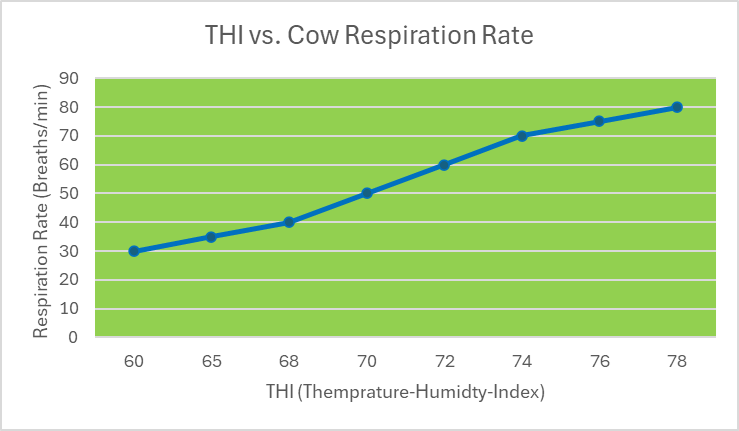
Graph 1: THI vs Cow Respiration Rate
One of the most effective ways to respond is through improved airflow and ventilation. Proper air movement at the level where cows lie and rest should reach at least 1 m/s. Increasing airflow between 0.5m/s and 3.0 m/s can reduce core body temperature rise by up to 50%. When cows are kept in environments where air moves faster than 2 m/s, their respiration rates drop by about 30%, reflecting improved comfort and reduced heat load. In Graph 2, one can see how an increased airspeed results in a decrease in the rectal temperatures in dairy cows.
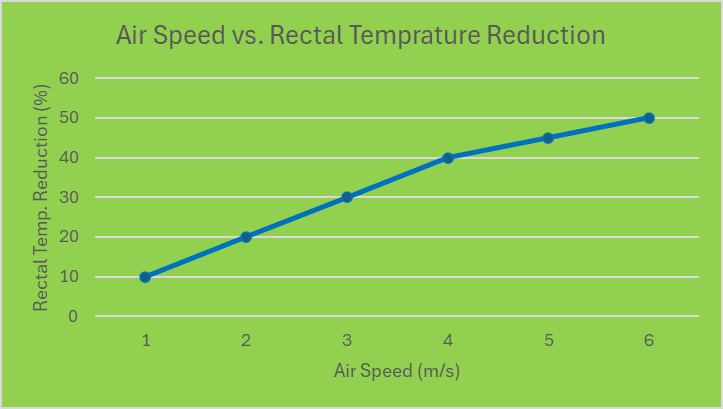
Graph 2: Airspeed vs. Rectal Temperature Reduction
Whether your operation is based on pasture or an indoor cow house system, the layout of your house or shelter matters. In an indoor cow house, high-speed fans should be placed strategically to avoid stagnant air pockets. In open cow house systems, the cow house designs should allow for maximum natural airflow. In both systems, ventilation is not a luxury, it is a shield against heat stress. But airflow alone is not enough. Cows exposed to direct sunlight face a massive thermal burden. Providing effective shade through trees, shade cloths, or insulated roofs significantly reduces this load. Studies show that cows kept in shaded areas maintain better body temperatures and feed intake, with 10% to 20% lower respiration rates than cows under direct sunlight. Graph 3 compares the impact that the sun, shade and sprinklers have on the respiration rate of dairy cows.
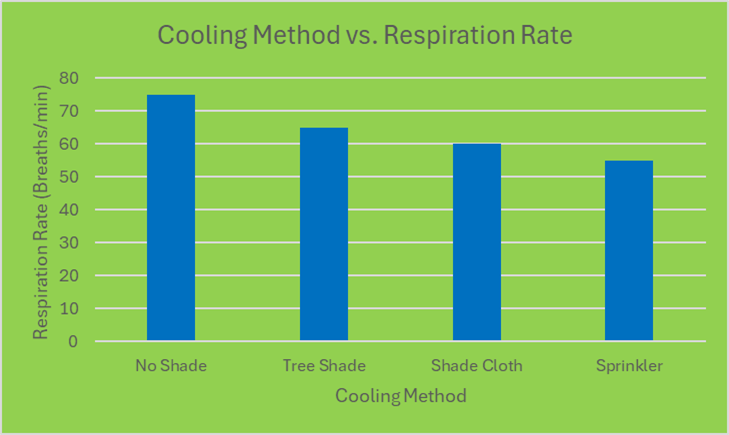
Graph 3: Cooling method vs. Respiration Rate
Adding to the toolkit, misting and sprinkler systems can reduce the ambient air temperature and enhance evaporative heat loss in dairy cows. Sprinklers alone have been shown to reduce body temperatures by up to 1.5°C, which directly improves both productivity and cow comfort. Hydration plays a crucial role in protecting your herd. During heat stress, cows increase their water intake by 30% to 50%. This is not just about quantity water temperature matters too. Cows consuming water at 15°C to 20°C tend to have better feed intake, which supports stable milk yields even during heat waves. The effect of how cooler water directly increases feed intake can be seen in Graph 4 below.

Graph 4: Water Temperature vs. Feed Increase/Decrease
Farmers must not assume the danger is over once the sun goes down. A dairy cow’s body does not cool as quickly as the air. This lag means cooling systems for example like fans and sprinklers need to stay active well into the evening. Unfortunately, many farms turn them off too early, allowing cows to suffer through the night, leading to reduced fertility, inconsistent milk yields, and poor calf development. From an economic perspective, the costs are staggering. Globally, heat stress costs the dairy industry billions. In South Africa, that translates to up to R1,500 lost per cow per month. That is money lost not just from milk sales, but from fertility issues, increased veterinary costs, and longer calving intervals. These are not just production losses; they are a sabotage of the entire dairy unit.
Fortunately, dairy farming is evolving. Wearable sensors now allow farmers to monitor cow respiration, rumination, and body temperature in real-time, offering intervention before conditions become critical. Solar-powered ventilation systems and advanced cooling technologies are no longer futuristic, they are necessary. Even a mobile tool like the De Heus CoolCare app empower farmers to track on-farm heat stress risk and to act quickly on it, turning knowledge into action.
Heat stress may be a seasonal challenge, but it leaves year-round damage. South African dairy farmers can fight back with smart cooling strategies, shade, air movement, and hydration. By acting early and consistently, you can keep your cows healthy, productive, and fertile, even during the harshest heat waves. So do not underestimate the impact of heat stress. Do not wait until it is too late and do not let heat stress sabotage your dairy herd.
For more info on references for the article or any questions, please contact your nearest technical advisor - https:// www.deheus.co.za/meet-our-team


