
Feeding Practices to Reduce Scours in Piglets
Scours or diarrhea is one of the most common health problems in newborn and young pigs. Scours can cause dehydration, reduced feed intake, weight loss and death. While scours pose a significant risk to the productivity and overall profit of a piggery, the causes are often complex due to a combination of infectious agents, environmental challenges, nutritional and management practices. Correct feeding strategies can reduce the risk of scours, not just through the composition of the feed but also through the feeding practices adopted at the farm level.

Cleaner Housing
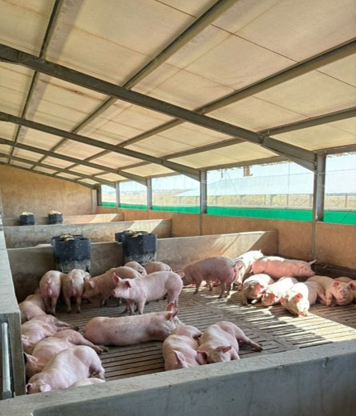
Clean housing is essential for piglet health because young pigs have underdeveloped immune systems, making them highly susceptible to bacterial infections like E. coli, Salmonella, and Clostridium perfringens, all of which thrive in dirty, damp environments. Accumulated faeces, soiled bedding, and wet floors create ideal breeding grounds for pathogens that cause scours, leading to higher mortality, poor growth, and reduced profits. Regular removal of waste, thorough cleaning and disinfection between batches, proper drainage, and adequate ventilation to control humidity dramatically reduce bacterial load and break disease cycles. Cracks in floors or housing are often places where bacteria thrive, because moisture is trapped and those areas are difficult to clean thoroughly. Investing in good hygiene strategies and housing pays off directly, with healthier piglets gaining weight faster, fewer veterinary interventions, and reaching market weight more efficiently.
The first nutrients
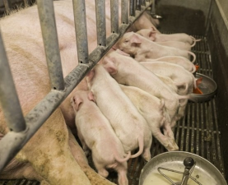
Colostrum provides the piglets with their first nutrients. Ensuring adequate colostrum within the first 6 hours of birth is the single most critical step, as it provides maternal antibodies and establishes gut immunity. During the pre-weaning phase, a high-quality creep feed should be introduced to piglets from around 5 days of age.
Creep feed is formulated with highly digestible, palatable ingredients such as milk proteins and cooked cereals to stimulate gut enzyme development and reduce the weaning shock that commonly triggers post-weaning scours. Creep Feed intake is encouraged by feeding a mini pellet that includes raw materials to improve the taste and smell of the feed.
At weaning, abrupt dietary changes should be minimized, and a high-quality weaner diet will lower the stress on the gastrointestinal tract of the piglet. A complete weaner feed, specifically developed to meet the nutrient requirements of young pigs, can ensure a smooth transition from the creep phase into the weaner-grower phase. Using highly digestible raw materials in the weaner diets will improve gut health and prevent scouring in a clean housing environment. Good weaner diets also include highly palatable and aromatic raw materials to improve feed intake.
Water is an often-forgotten nutrient in a piggery because it does not contribute to a large portion of the operation costs of a farm. Poor water quality can, however, lead to poor performance. Water quality on the farm is an ever-changing factor dependent on source, season and flow. Many pathogens can infect pigs through water, and therefore it is important to regularly test water sources and treat them accordingly to prevent the occurrence of diseases. When testing water, it is important to test the source and the drinking lines. Contamination can occur in storage tanks, with the biggest risks often arising from stagnant water. Stagnant water allows bacteria to multiply and form biofilms that may contaminate clean water. The treatment of water and flushing of drinking lines will prevent the proliferation of bacteria and prevent them from becoming a breeding ground for diseases.
Feeding strategies
When changing diets, a gradual change of feed can reduce the incidence of scours. This can be done by using a creep feed and a weaner feed that do not significantly differ in composition, and by gradually introducing the new feed. When changing from one diet to another, it is advised to slowly introduce the new feed by way of replacing a small percentage of the previous feed with the new feed. This percentage should be increased gradually over 5 -7 days until the piglets have adjusted to the new feed, and at this point, they can be fed only the new feed.
Adequate feeder space is essential in preventing scours in pigs because it ensures all animals have equal access to feed, reducing competition and stress within the group. When feeder space is limited, dominant pigs may overeat while smaller or weaker pigs consume insufficient feed, leading to inconsistent nutrient intake and digestive disturbances that can lead to scouring. Stress associated with overcrowding at feeders can also weaken the immune system, making pigs more susceptible to enteric diseases. Providing sufficient feeder space promotes uniform feed consumption, supports gut health, minimizes stress, and helps maintain overall performance, thereby reducing the risk of scours. On average, each pig should have access to 10-15 cm of feeder space to ensure that all pigs get equal feed amounts.
Nutritional Strategies
Nutritional strategies play a critical role in preventing scours in pigs by promoting a healthy and stable digestive system. Diets should be highly digestible and balanced to meet the pigs' nutritional requirements without overwhelming the gut. Most producers focus heavily on the crude protein content of feed, without considering the amino acid composition. High levels of synthetic amino acids in pig diets are important because they allow nutritionists to meet the animals' amino acid requirements more precisely, while reducing the overall crude protein content of the feed. By supplementing essential amino acids such as lysine, methionine, threonine, and tryptophan, diets can be formulated using lower levels of expensive protein ingredients without compromising growth performance, feed efficiency, or carcass quality. Lower-protein diets also reduce nitrogen excretion, which decreases environmental pollution and improves air quality within pig housing. Furthermore, reducing excess dietary protein can improve gut health by limiting the amount of undigested protein reaching the large intestine, thereby reducing the growth of harmful bacteria and the risk of digestive disorders such as scours.
Functional fibre is an important component of pig diets because it supports digestive health, gut function, and overall animal performance. Unlike traditional fibre sources that mainly dilute dietary energy, functional fibre provides physiological benefits by promoting healthy gut motility, stimulating the growth of beneficial microorganisms, and enhancing the development of the intestinal tract. Fermentable fibre sources can increase the production of short-chain fatty acids, which serve as an energy source for intestinal cells and help maintain gut integrity. Functional fibre also helps regulate the passage rate of digesta, improves satiety, and can reduce harmful bacterial populations by creating a more stable gut environment. In weaned pigs, appropriate levels of functional fibre are particularly beneficial for reducing digestive disturbances and the incidence of scours.
Prevention rather than treatment
Scouring of piglets is a large contributing factor to low weaning weights and mortalities; therefore, farmers are often more willing to pay for the use of medication to reduce its effect on the farm. Pigs, however, can remain healthy and grow to their full genetic potential under the correct environment. The Natural Power concept aims to allow animals to perform and produce to their full potential by allowing pigs access to the best possible housing, environment and feed; all factors that farmers have control over. Scours are often preventable through the correct vaccination program, management and most importantly, feed and feeding strategies. By maintaining ideal conditions for pigs to grow and develop, the negative effects of scouring on the farm can be minimized.
To learn more about feeding practices to reduce scours in piglets, contact your local De Heus Technical Advisor - https://www.deheus.co.za/meet-our-team/.


