
Hidden Threats in the Feed: The Impact of DON and ZEA Mycotoxins on Pig Performance
Mycotoxins are secondary metabolites produced by fungi that grow on various types of crops, including maize, wheat, barley and sorghum. The toxins may be introduced into the feed at several stages. Pre-harvesting, at harvesting, during storage, during feed manufacturing, during transport or on-farm handling.

These toxins are produced by five different Fungal genus groups (see Table 1). DON and ZEA mycotoxins form part of the Fusarium species. They are of concern for pig health and performance due to the sensitivity of pigs towards these toxins. They impair gut health, immunity, and growth of pigs, even at subclinical levels.
|
Fungal Genus |
Key Mycotoxins Produced |
|
Aspergillus |
Aflatoxins, Ochratoxin A, Citrinin, Patulin |
|
Penicillium |
Ochratoxin A, Citrinin, Patulin |
|
Fusarium |
DON, T-2, HT-2, ZEA, Fumonisins |
|
Claviceps |
Ergot alkaloids |
|
Stachybotrys |
Trichothecenes |
Table 1: Fungal Genus Groups and key mycotoxins produced
Deoxynivalenol (DON) – Effects on Pigs
DON, also known as vomitoxin, infects cereal crops such as wheat, maize, barley, and oats. High humidity and rainfall increase the occurrence of DON, especially when the high rainfall occurs during the flowering and grain development phases of the crops.
This is one of the most common mycotoxins found in animal feed worldwide and is of great concern because of its stability during processing, which makes it difficult to eliminate.
DON has a molecular structure that consists of a rigid four-ring backbone with attached hydroxyl groups, a ketone group, and an epoxide ring (See Figure 1). This structure allows DON to interfere with normal cellular processes and causes damage in the intestinal lining of the gut.
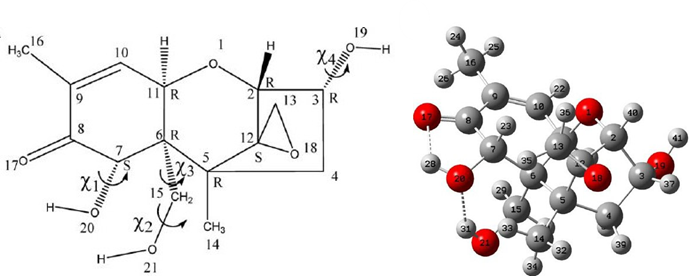
Figure 1: DON molecular structure
Zearalenone (ZEA) – Effects on Pigs
Zearalenone (ZEA) is a non-steroidal oestrogenic mycotoxin. It occurs in maize, wheat, barley, and other cereals
under cool, wet growing conditions. ZEA mimics the action of 17β-oestradiol and disrupts the endocrine system.
The ZEA molecule consists of a macrocyclic lactone ring, a resorcinol (benzene-1,3-diol) aromatic ring and multiple hydroxyl (–OH) groups, which enables the mycotoxin to bind to oestrogen receptors (See Figure 2).
ZEA is chemically stable, resistant to heat and normal feed-processing conditions, which makes prevention and mycotoxin management critical.
Figure 2: ZEA molecular structure
Nutritional Solutions:
Mycotoxin Binders
The use of binders is the best solution to minimize the risk of mycotoxins found in feed. It is important to understand that different mycotoxin binders work with different modes of action. These include physical binding of the molecules, chemical interactions, yeast-derived organic bindings, enhancement of gut integrity and liver stimulus or reducing the bioavailability of the toxins. Some products make use of a singular mode of action, while others may include two or more of these methods mentioned.
Additional Supportive Nutritional Strategies
Phytogenics may be used to improve the antioxidant capacity, support the liver, and enhance the immune system of pigs exposed to mycotoxins in the feed. These phytogenic feed additives include curcumin, grape pomace, and orange peel extracts.
The addition of functional fibers, yeast derivatives, amino acids (glutamine), and organic acids may help to enhance gut integrity and support the GIT.
Ingredients such as silymarin and vitamin E support liver function and help mitigate oxidative damage caused by mycotoxins.
Physical Cleaning of Maize
Physical cleaning is one of the most effective, non-chemical methods used at feed mills to reduce mycotoxin risk before the maize enters the silos. The process removes fractions of maize with the highest fungal contamination potential, such as dust, fines, broken kernels, and foreign material. Currently, no feed mill in SA uses this method, due to the high capital costs involved.
Continuous Monitoring & Nutritional Adjustment:
By continuously testing and monitoring feed and raw material samples for mycotoxins, nutritionists may adjust the concentration of the mycotoxin binder products included in the diets of the pigs.
On-farm Solutions:
While feed manufacturers play an important role in the management of mycotoxins, farmers also have a responsibility. It is important that on-farm storage of feed is closely monitored. Bagged feed should be stored in a clean, cool, well-ventilated and dry area. The first-in, first-out (FIFO) principle must always be followed in storerooms. Farmers should ensure that bins, hoppers, silos and feeding troughs are cleaned as per a cleaning schedule. Feeding management is also important. The feeding troughs must be cleaned daily, and no leftover feed should be fed to the animals. Also, ensure the animals have access to unrestricted, clean, cool water.
Conclusion:
DON and ZEA mycotoxins negatively impact pig performance on the farm, and it is important that the levels are continuously monitored. The use of mycotoxin binders can mitigate the risk associated with mycotoxins in the feed, but it is important to consider the mode of action of the products used to ensure maximum cover for a specific production phase. Proper on-farm feed management will lower the chances of mycotoxin occurrence in feed.
To learn more about managing DON and ZEA mycotoxins and protecting your pig’s performance, contact your local De Heus Technical Advisor - https:// www.deheus.co.za/meet-our-team/.


