
Step-Up and Step-Down Feeding Strategies in Swine: Nutritional and Management Implications for Gilts and Sows
Increased genetic potential and improved management have markedly enhanced sow productivity worldwide, but these gains have intensified nutritional and metabolic challenges for breeding females. Step-up and step-down feeding strategies are widely applied to align nutrient supply with the dynamic physiological demands of gilts and sows during development, gestation, and lactation.

Over the past few decades, sow productivity has increased substantially, with multiple production systems achieving more than 29 piglets weaned per sow per year. While this improvement enhances efficiency, it also places considerable pressure on the breeding female, particularly during critical periods such as gilt development, gestation, and lactation. Nutritional mismanagement during these stages can result in excessive body reserve mobilization, impaired fertility, and premature culling.
Step-up and step-down feeding strategies are designed to synchronize nutrient intake with physiological requirements across the reproductive cycle. Step-up feeding increases nutrient supply during periods of elevated demand, whereas step-down feeding restricts intake during phases of lower requirement to prevent excessive fat deposition. When integrated with objective body condition monitoring, these strategies form the foundation of precision sow feeding.
Physiological Basis for Feeding Curve Adjustment:
• Parity-Related Differences
First-parity sows differ fundamentally from older sows in nutrient requirements. Young sows are still growing toward mature body size, typically weighing up to 100 kg less than multiparous sows. Consequently, they require additional nutrients for growth while simultaneously supporting pregnancy and subsequent lactation. Older sows, in contrast, have higher maintenance requirements due to greater body mass and often require an additional 400 –500 g of feed per day toward the end of gestation simply to maintain body condition.
These parity-related differences necessitate differentiated feeding curves. Uniform feeding strategies across parities increase the risk of underfeeding young sows and over conditioning older sows, both of which negatively affect lifetime productivity.
• Gestation Phase-Specific Requirements
The gestation period in a sow can be divided into three distinct physiological phases, each characterized by different nutrient demands:
• Early gestation (day 0–42): Embryo implantation and maternal recognition of pregnancy occur during this period. Nutritional stability and low stress are critical, as disruptions can result in early embryonic loss. Feeding should support recovery from lactational body reserve losses, particularly in young sows.
• Mid-gestation (day 43–84): Foetal growth is limited, and nutrient requirements are relatively low. This phase is well suited for step-down feeding once body condition recovery is achieved.
• Late gestation (day 85–115): Foetal growth accelerates exponentially, with rapid increases in foetal weight and nutrient demand. Udder development and colostrum synthesis also intensify, necessitating step-up feeding with adequate energy and amino acid supply.
Step-Up Feeding Strategies:
Gilt Development and First Gestation
Proper gilt development is a prerequisite for successful step-up feeding during the first gestation. Target growth rates of approximately 600–650 g/day result in optimal body weight (140–170 kg) and age at first insemination. Adequate backfat at insemination (12–15 mm) is essential, as body fat serves as a critical energy reserve during lactation.
Following insemination, gilts benefit from a step-up gestation feeding program that supports continued maternal growth and litter development. Compared with multiparous sows, gilts require higher nutrient density, particularly for amino acids, minerals, and vitamins that support skeletal development and reproductive function.
Late Gestation Step-Up Feeding
During late gestation, foetal weight increases from approximately 400 g on day 85 to more than 1,400 g on day
115. Growth during this phase is predominantly lean tissue accretion, making adequate protein and amino acid supply critical. Insufficient nutrient provision during late gestation is associated with reduced piglet birth weight, impaired colostrum production, and increased pre-weaning mortality.
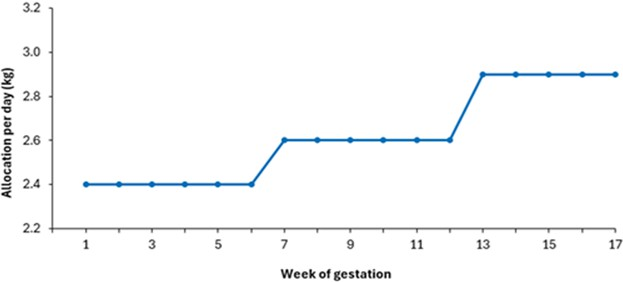
Figure 1: An example of a step-up feeding schedule focused on gilts. Values are dependent on feed type and animal conditions
Step-Down Feeding Strategies:
Step-down feeding is primarily applied during mid-gestation. The objective is to meet maintenance requirements without promoting excessive fat deposition. Overfeeding during periods of low demand can reduce voluntary feed intake during lactation and increase the risk of metabolic disorders.
However, excessive restriction should be avoided. Studies demonstrate that a sow experiencing severe body weight loss during lactation exhibits reduced implantation rates and foetal survival in subsequent gestation. Therefore, step-down feeding must always be guided by objective body condition measurements.
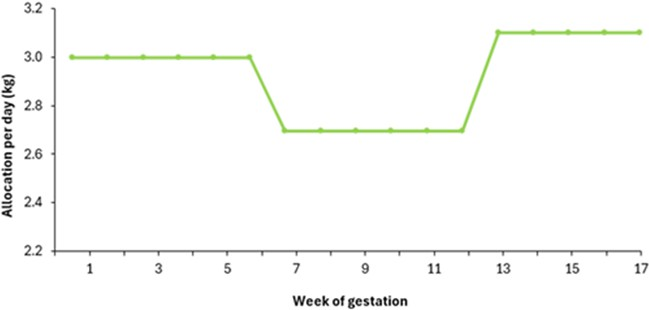
Figure 2: An example of a step-down feeding schedule focused on sows. Values are dependent on feed type and animal
Body Condition Management and Feeding Curve Adjustment:
Assessment Methods
Accurate assessment of body condition is essential for implementing step-up and step-down feeding. Common methods include visual condition scoring, backfat measurement, muscle depth, and body weight recording. Among these, body weight and backfat measurements provide the most reliable indicators of energy and protein reserves.
Visual condition scoring alone shows low correlation with actual backfat levels and should not be used as the sole decision-making tool. Regular weighing and backfat measurement at farrowing, weaning, and during gestation enable individualized feeding strategies.
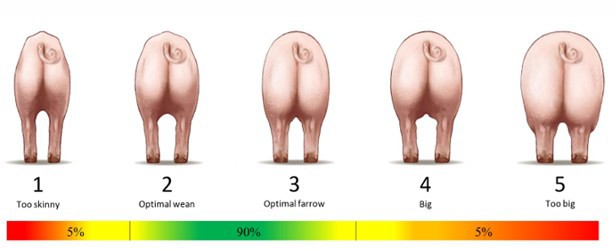
Figure 3: An illustration of a body condition scoring chart
Impact on Reproductive Performance
Excessive body weight loss during lactation has a well-documented negative effect on subsequent reproductive performance. Weight loss exceeding approximately 13–15% is associated with reduced pregnancy rates, fewer implantation sites, and lower foetal survival. Early gestation step-up feeding is therefore critical for sows recovering from high lactational losses.
Conclusions and recommendations:
Step-up and step-down feeding strategies are essential components of modern sow nutrition programs. When tailored to parity, gestation phase, and individual body condition, these strategies support optimal reproductive performance, minimize excessive body reserve mobilization, and enhance sow longevity. As productivity continues to increase, precision feeding based on objective measurements will be critical for sustainable swine production.
The table displayed below acts as a conclusive summary, to be used as a referral on how step-up and step-down feeding strategies may be applied in practice, depending on the variable physiological characteristics of both first parity sows and multi parity sows.
|
Category |
Gilts (pre- and first gestation) |
Young sows (parity 1–2) |
Older sows (≥ parity 3) |
|
Physiological status |
Still growing; immature body reserves |
Limited growth; recovering from first lactation |
Fully mature; no structural growth |
|
Typical body weight |
140–170 kg at first insemi-nation |
~100 kg lighter than older sows |
Heaviest body weight in the herd |
|
Feed intake capacity |
Lower voluntary intake |
Moderate intake |
Highest intake capacity |
|
Key nutritional priorities |
Support growth, reproduc-tion, and fat deposition |
Support recovery, pregnan-cy, and preparation for high milk yield |
Maintain body condition and support foetal growth |
|
Sensitivity to underfeeding |
Very high (growth and fertili- ty compromised) |
High (risk of excessive weight loss) |
Moderate (maintenance be- comes limiting) |
|
Step-up feeding focus |
Early and late gestation |
Early recovery and late ges-tation |
Mainly late gestation |
|
Step-down feeding focus |
Limited use |
Mid-gestation, once recov-ery is achieved |
Mid-gestation maintenance feeding |
Table 1: Summary of physiological characteristics and feeding priorities for gilts, young sows, and older sows.
To learn about the nutritional and management implications for gilts and sows contact your local De Heus Technical Advisor for more information - https:// www.deheus.co.za/meet-our-team/.


