
The Importance of Proper Maize Silage Production: From Harvesting to Storage
Maize silage plays a central role in modern dairy production, providing a consistent, energy-rich forage that supports milk production, animal health, and overall farm profitability. However, the value of maize silage is not determined at feeding, but rather by how well it is managed from the moment it is harvested through to storage and feed-out. Each step in the silage-making process, from harvesting, compaction, fermentation, and storage, directly influences the final quality of the feed. Poor management at any stage can result in significant nutrient losses, spoilage, and reduced animal performance, while good management ensures a high-quality, stable feed source.

The Foundation: Harvest Maturity
Harvesting maize at the correct stage of maturity is the foundation of successful silage production. The ideal dry matter content for maize silage is between 32-35%, which typically corresponds to a milk line positioned ½ to ¾ down the kernel.
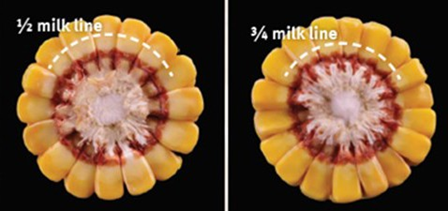
Figure 1: Milk line identification on a maize kernel
Timing Risks:
Harvesting at the correct stage is essential because it directly influences silage quality, moisture content, and starch levels. If harvested too early, the crop contains excess moisture and low starch, leading to poor fermentation and nutrient losses. If harvested too late, the material becomes too dry, making compaction difficult and increasing spoilage risk. Farmers can avoid these problems by carefully monitoring crop maturity and aiming for a dry matter content of 32–35%, which ensures optimal preservation and feed quality. For the farmer, this results in higher-quality silage, reduced losses, and improved milk production.
Mechanical Factors:
Proper mechanical management during harvesting plays a key role in how well silage is preserved and utilised. Factors such as chop length, kernel processing, and cutting height affect compaction, fermentation, and digestibility. Poor settings can lead to inefficient fermentation and increased wastage. Farmers can prevent this by maintaining a chop length of 10–15 mm, ensuring effective kernel processing, and adjusting cutting height appropriately. For the farmer, this leads to better compaction, improved fermentation, and more efficient use of feed.
Processing:
Effective processing ensures that maize kernels are adequately broken so that nutrients, particularly starch, are available for digestion. If kernels are not properly processed, they may pass through the animal undigested, reducing feed efficiency. Farmers can prevent this by ensuring kernels are properly cracked, ideally split in half, and by slightly increasing cutting height to reduce indigestible fibre content. For the farmer, improved digestibility means cows can extract more nutrients and energy from the feed, leading to increased productivity and higher milk yield.
Compaction and Oxygen Removal:
Once harvested, the focus shifts to compaction, which is essential for removing oxygen from the silage mass. Oxygen is one of the main causes of nutrient loss, as it allows plant respiration and aerobic microorganisms to continue consuming valuable sugars.
Effective compaction reduces porosity, limits oxygen penetration, and creates the anaerobic conditions necessary for proper fermentation. This is achieved by spreading the forage in thin layers and packing continuously with heavy machinery to reach a high density. Poor compaction results in air pockets within the silage, leading to heating, dry matter losses, and reduced feed quality.
The Fermentation Process:
Following compaction, preservation of the silage depends on rapid and efficient fermentation under anaerobic conditions, where a range of organic acids is produced that directly influence feed quality, cow health, and ultimately milk production. Lactic acid is the most important, as it rapidly lowers the pH, stabilizes the silage, and preserves valuable nutrients, resulting in highly palatable feed that drives higher dry matter intake (DMI). Increased intake provides more energy to the cow, directly supporting higher milk yield as well as improved butterfat and protein levels. Moderate levels of acetic acid play a supportive role by improving aerobic stability, inhibiting the growth of yeasts and molds, and reducing heating and spoilage during feed-out, which helps maintain consistent intake and stable milk production; however, excessive levels can reduce palatability and depress intake. Propionic acid also contributes to controlling mold growth and maintaining feed stability, ensuring cows receive consistent, good-quality feed, which is essential for steady milk output.
Figure 2: Timeline of pH reduction during the four phases of maize silage fermentation.
In contrast, when fermentation conditions are not optimal, such as when silage is too wet, too dry, or poorly compacted, undesirable fermentation pathways dominate, leading to the production of butyric acid and high levels of ammonia. Butyric acid is particularly harmful, producing foul-smelling, unpalatable silage that significantly reduces intake and can contribute to metabolic disorders such as ketosis, negatively affecting rumen efficiency and energy utilization. High ammonia levels indicate excessive protein breakdown, reducing the nutritional value of the silage and limiting milk protein production. The combined effect of reduced intake, poorer nutrient availability, and metabolic stress results in a clear decline in both milk yield and milk quality. For the dairy farmer, this not only means lower production per cow, but also increased feed wastage and the need for costly supplementation. In practical terms, well-managed fermentation maximizes intake and milk production, while poor fermentation directly limits cow performance, health, and overall farm profitability.
Sealing and Storage Protocols:
Proper sealing and storage are equally critical in maintaining silage quality. Once the silo is filled, it must be sealed immediately to prevent oxygen from entering.
1. High-Quality Covers: Plastic covers, properly secured with weights such as tires, help maintain anaerobic conditions throughout storage.
2. Advanced Films: Oxygen-barrier films can further reduce oxygen infiltration and dry matter losses.
3. Spoilage Risks: Poor sealing or damaged covers allow oxygen to enter the silage, encouraging the growth of molds and yeasts, particularly in the upper layers of the silo.
Figure 3: Well-sealed vs poorly sealed silage pits
Managing the Feed-out Face:
Even after fermentation, silage is still vulnerable to spoilage when exposed to oxygen, as yeasts and molds consume lactic acid and sugars, causing heating, higher pH, and reduced feed quality. To manage the face properly, keep it smooth and vertical, removing silage evenly across the width and taking the top layers first rather than digging from the bottom. Only expose up to three days’ worth of silage at the face, remove loose or spoiled feed promptly, and repair or seal the cover to limit air contact. Following these steps preserves nutrients, reduces dry matter losses, and ensures cows receive high-quality feed for better milk production.
Figure 4: Well-managed silage pit face vs poorly managed silage pit face.
The Role of the Technical Advisor:
De Heus Technical Advisors play a crucial role in helping farmers achieve high-quality maize silage using the OptiMaize method. OptiMaize is designed to maximize the nutritional value of maize silage per hectare, with a particular focus on increasing starch content, the key nutrient that drives milk production. Starch levels in maize silage are heavily influenced by crop maturity, so timing the harvest correctly is essential.
Technical Advisors assist farmers by assessing crop maturity, monitoring weather conditions, and evaluating the entire crop to determine maximal roughage, optimal dry matter content, and the best harvest window. They also take into account the maize variety planted and its growth conditions on the farm, ensuring the recommendations are tailored to each specific field. Advisors' guide on proper chop length and kernel processing to optimize digestibility and silage quality. During ensiling, they provide guidance on packing techniques, sealing methods, and the use of additives to promote beneficial fermentation and reduce spoilage.
At feed-out, Technical Advisors use tools like LaboExpert to evaluate silage quality more accurately. LaboExpert allows for rapid analysis of key parameters such as pH, dry matter, starch content, and fermentation acids, helping identify any deviations from optimal silage conditions. By combining these measurements with visual and olfactory checks, advisors can detect signs of spoilage, such as mold, excessive effluent, off-odours, or butyric acid production. This ensures that only high-quality feed is offered to the herd, supporting better nutrient intake, improved milk production, and reduced feed waste.
By combining OptiMaize principles with expert technical support, farmers can achieve higher starch yields per hectare, better feed quality per kilogram of dry matter, and healthier, more productive cows, ultimately leading to improved milk production and profitability.
Conclusion:
Maize silage production is a continuous process that requires careful attention from harvesting through to feeding. While poor management can lead to reduced feed quality, proper practices result in high-quality silage that supports productivity, animal health, and farm profitability.
To find out more about the Importance of proper maize silage production contact your local De Heus Technical Advisor - https:// www.deheus.co.za/meet-our-team/.


