
Ensuring optimal water quality in poultry farming systems
Water is the most important nutrient we provide to animals in any farming system, as it directly impacts the health and performance of the animals. Maintaining good water quality should be standard practice to ensure the well-being and productivity of your poultry flock. On-farm hygiene and cleaning protocols like waterline flushing and cleaning of drinkers are essential basic steps to follow to maintain good water quality. However, it is also important to know the quality of on-farm water sources and to understand the acceptable parameters for water quality for poultry operations.

Basic parameters to consider when testing water quality:
Ideally, any farming system should test on-farm water sources bi-annually, since microbial and mineral content may change between different seasons when rainfall and weather fluctuate. If not bi-annually, it is recommended to test the water at least once a year.
|
pH level |
The pH of drinking water for birds should be between 6.0 - 8.0. pH levels that fall outside this range can negatively impact nutrient absorption and digestion. The ideal pH range is 6.8 - 7.4. |
|
Total Dissolved Solids (TDS) |
TDS represents the total concentration of dissolved substances (organic and inorganic) in the water. TDS should be below 1000 ppm. High TDS levels may indicate high mineral and organic content, which can lead to reduced water consumption. |
|
Chlorine |
Chlorine is commonly used for water treatment and disinfection and should be between 1.0 - 2.0 ppm or <300mg/L. Excessive amounts of chlorine can harm chickens. |
|
Bacteria (Total Coliforms) |
Total Coliforms can indicate possible bacterial contamination (harmful bacteria like E. coli or Salmonella should be minimized). There should be fewer than 100 bacteria, of all types, per ml of water and fewer than 50 coliform bacteria per ml - ideally zero. |
|
Temperature |
Water temperature should be between 15°C - 25°C to encourage consumption, especially in extreme weather conditions. |
Assessing water quality on the farm:
It can be very helpful to do a visual and sensory assessment of on-farm water sources throughout the year, in between chemical and microbial water testing. Farmers can quickly detect signs of possible poor water quality early and act accordingly if they know what to look for. Since the quality of the water can change from the source to the drinker, it is best to take a sample from where the animals drink. Let the water settle undisturbed in a glass container. If any odour, unusual colour, or sediment is noted, thorough testing is recommended.
|
Smell/ Odour |
Strong smells like bleach can indicate too much chlorine in water. Rotten/musty smells can indicate decaying organic matter and contamination. Metallic smells can indicate industrial chemical contamination or high levels of certain minerals. |
|
Colour |
Ideal drinking water should be transparent. Any unusual brown or yellow cloudiness and colour can indicate contamination. Red orange colours are often associated with high levels of iron and green-blue colours with the presence of algae or high levels of copper. |
|
Precipitation |
Look for any bubbles or precipitation (sediment) at the bottom. This can indicate the presence of insoluble contaminants or minerals. |
Solutions to ensure optimal water quality:
1. Regular testing: Implement routine water testing (at least 1 - 2 times per year) to monitor pH, TDS, chlorine, and bacteria levels.
2. Water source management: Ensure that your water source is clean and free from contaminants as best as possible. Inspect boreholes, pipes, dams, and storage tanks often. Remember that contaminants can vary throughout the year as weather and rainfall change. Check water quality after burst pipes or breakdowns.
3. Water treatment: Use appropriate water treatment methods to address specific issues. For example, water softeners can reduce TDS levels, while chlorination can help control bacterial growth. Hydrogen peroxide can also be used to disinfect and treat drinking water.
4. Clean drinker lines: Regularly clean and disinfect water lines, feeders, nipples, and other equipment to prevent the buildup of harmful bacteria.
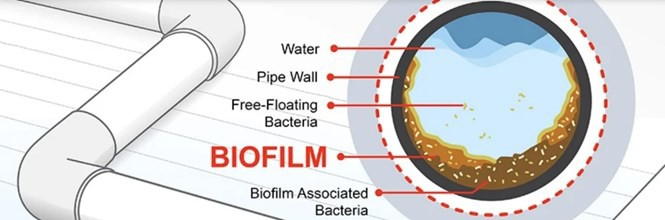
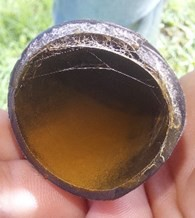
Biofilm can form on the inside of pipes and drinker lines. Biofilm creates an environment for minerals, organic acids, and vitamins to build up and bacteria to proliferate. Flush lines with clean water at least once a week and before placement of new birds or day-old chicks.
5. Temperature control: Insulate water lines and install heating elements in cold climates to prevent freezing. In hot weather, provide shade or cooling systems to keep water from heating up in pipes that are exposed to the sun.
6. Record keeping: Keep records of water test results and any treatments. Monitoring this data will help you spot trends and make informed decisions. For example, more treatment is needed in high rainfall months when there is possible run-off from contaminated areas.
7. On-farm education: Training and informing farm staff on the importance of good water quality can help them recognise problems early and inform managers. Staff can also monitor the water intake of birds on the farm.
8. Measuring intake: An average rule of thumb is that a chicken will drink approximately twice as much, as they eat. This is highly variable and depends on climate conditions, the age of the birds, stress, and the production phase. Monitoring water intake daily can give valuable insight into flock health and performance. Drastic increases/decreases in water consumption can be signs of poor water quality, disease challenges or nutritional imbalances.
The mineral content of drinking water and the effect on feed intake, digestion, and absorption:
Once the basic parameters of water quality are assessed it is important to take a deeper look at the complete mineral content of the water. High mineral load can lead to build-up in drinker lines, reducing water supply. Increased levels of certain minerals can lead to reduced feed consumption and nutrient absorption, which can negatively affect flock health and productivity of the birds.
The effects of commonly found minerals in drinking water:
|
Mineral |
High levels present in water |
Recommended safe levels* |
|
Iron |
Causes a metallic taste that can discourage water intake and reduce feed intake. Can lead to iron toxicity in extreme cases. |
0.2 milligrams per Liter (mg/L) to avoid taste and health issues. |
|
Manganese |
Reduces water palatability at high levels and can interfere with nutrient absorption in the digestive tract. |
0.05 to 0.1 mg/L to prevent adverse effects on palatability and health. |
|
Sulphate |
May cause diarrhoea, poor weight gain and poor performance. |
<400 mg/L to prevent laxative effects and reduced performance. |
|
Sodium |
While sodium is an essential mineral, excessive sodium levels in water can lead to in- creased water consumption, causing chickens to eat less feed. |
200 to 500 mg/L to maintain the proper balance in the diet. |
|
Fluoride |
Reduces water palatability and subsequently reduces feed intake. Can adversely affect bone health in birds. |
1.0 mg/L to prevent taste issues and potential health problems. |
|
Copper |
Excess copper in water can be toxic to chick- ens and can lead to reduced feed intake. |
0.1 mg/L, as excess copper can be toxic to chick- ens. |
*As per SANS 241 Drinking Water Standard Class 1 Recommended Limits
Conclusion:
Maintaining optimal water quality year-round is vital for the health and productivity of your flock. Regular water testing, good management practices, and a commitment to sanitation will ensure safe drinking water. By following these guidelines and addressing any issues quickly, you can provide your chickens with the best possible drinking water. Good water quality not only benefits the chickens but also contributes to the general success of your poultry operation.
If you have any more questions on water quality and how to maintain it, please feel free to contact your De Heus technical advisor - https://www.deheus.co.za/meet-our-team/.


