
Getting the Most Out of the Modern Laying Hen
Modern layer hens can lay at least 450 eggs during their productive lifespan, with some breeds producing over 500 eggs by 100 weeks of age. However, this number is not guaranteed, as many factors can influence egg production. Feed quality, housing conditions, disease, and stocking density are some of the major factors that affect the productive capabilities of a laying hen. While some of these factors are easier to control than others, it is important to weigh the risks associated with these factors. To accurately determine the role that all these factors play regarding production, as much information as possible needs to be collected to compare and draw conclusions.

On Farm Feed Quality Factors
Feed is the highest cost on a layer farm, and it is often where producers look to cut expenses. However, poor-quality feed can affect hens for the rest of their productive lifespan, as factors such as mycotoxins may cause irreparable damage to their organs. While the inclusion of a mycotoxin binder might seem like just an additional expense contributing to the overall feed cost, it is a necessary investment not only to maintain current egg production but also to extend the productive lifespan of the laying hen.
To ensure that feed quality is not compromised, it needs to be stored in a dry and cool area to prevent spoilage. The largest contributing factor to feed spoilage is moisture, and while keeping feed in an enclosed area does help, moisture can often seep into the feed from the floor. Feed should therefore be stored off the ground, which can be accomplished by simply placing a pallet beneath bagged feed or in a silo for bulk feed.
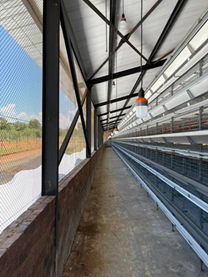
Figure 1: Open sided layer house
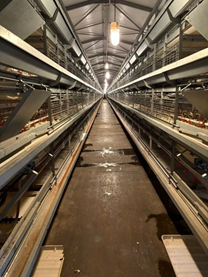
Figure 2: Climate controlled pullet rearing house
Housing environment
Housing is not just the physical structure in which hens are kept; it includes all the infrastructure required to accommodate them. The type of housing, feeder systems, water quality, and lighting all play a major role in the housing environment, and any changes in these systems can cause stress. The main types of housing systems found in South Africa are climate-controlled and open-sided, with both having their own advantages and disadvantages.
Many factors within a layer house can contribute to stress, which can negatively affect flock health and egg production. Although the causes of a stress response are not always clear, layer hens will react in characteristic ways that may indicate the type of stressor they are experiencing. By measuring as many environmental and behavioural factors as possible, we can detect changes in hen behaviour that may signal underlying issues needing attention.
To survive and produce, hens need three things: air, water, and feed. By monitoring the properties of these basic needs, producers can often identify stressful conditions before they impact production or health. We can monitor the air in a layer house by assessing air quality, air temperature, and air movement. Water is an essential nutrient for survival; it is therefore important that hens have constant access to clean drinking water. It is also advisable to perform regular microbial and quality testing on drinking water to prevent disease and deficiencies.
Fresh feed must also always be available to the layer hens, with feed troughs being filled regularly throughout the day. Overfilling feed troughs can lead to excessive waste and possible mycotoxin buildup if the feed at the bottom of the trough remains uneaten. It is advised to feed multiple times a day, rather than just feed a large amount of feed once a day.
Disease
Due to the high stocking density of hens in layer houses, diseases can quickly spread throughout a house and, from there, to other houses. While all genetic companies offer the option to vaccinate day-old chicks against specific diseases, it is important to consult a veterinarian about which vaccination programs to follow once the chicks have been placed. In operations where hens are bought in as point-of-lays, it is advisable to obtain the complete vaccination program, as well as information on any other treatments that may have been administered to the pullets during the rearing period. By understanding the disease challenges the hens may face, management and treatment decisions can be made to ensure that the hens continue producing for as long as possible.
Stocking density
Guidelines are valuable tools and allow farmers to know what they can expect from hens when housed under certain conditions. Stocking density is, however, a contested topic worldwide, with numerous animal welfare organizations pushing for reduced stocking density regulations. These arguments stem from animal welfare concerns, with the argument being that high stocking densities decrease animal welfare. High stocking densities have been shown to affect egg production, mortality rate and the productive lifespan of hens. High stocking densities increase the stress experienced by the hens and contribute to an increase in aggression, which can lead to feather pecking and fighting. While animal welfare is an important topic, it is also important to keep in mind that due to the high input costs and lower egg prices, egg producers are under pressure to produce as many eggs as possible while reducing the overhead costs associated with running a layer house.
By decreasing stocking densities, important parameters such as mortality and feather coverage can be improved. But with an increase in age, the eggshell quality of the eggs will naturally decrease. This means that even though older hens might have a high egg production, the percentage of marketable eggs from these hens might be lower. To minimize the effect that age has on egg production and quality, phase feeding programs set out by the feed company should be followed.
Conclusion
While farming with layer hens might seem straightforward, small factors can often make the difference between making a profit and not. Keep to the basics, provide healthy hens with clean drinking water and high-quality feed in an environment that does not cause stress to the hens. Guidelines are set out in breed manuals, but also consult with both nutritionists and veterinarians to ensure that the full potential of a flock is reached. By monitoring and collecting as much data as possible on the feed, water and environment, it enables comparisons and conclusions to be drawn so that the effect on egg production and quality can be understood.
To get most out of your modern laying hen contact your local De Heus Technical Advisor for more information - https:// www.deheus.co.za/meet-our-team/.


