
Investigating the Disincentive Effect of Cost-Cutting Strategies on Heating Systems in Broiler Farming Beyond 21 Days
Broiler farming plays a critical role in meeting the growing global demand for poultry meat. As production costs continue to rise, farmers are increasingly adopting cost-cutting strategies to maintain profitability. One of the most common areas where cost reductions occur is in heating systems, particularly after broilers reach 21 days of age. A common thought is that birds have fully developed feathers, so heating systems can be switched off to save on energy costs. Without any doubt, birds become more tolerant of cooler temperatures as they grow; however, withdrawing or reducing heat too early can negatively affect bird welfare, performance, and overall farm profitability.

This article discusses the importance of maintaining proper heating systems beyond 21 days in broiler production. It explores environmental requirements throughout the broiler growth cycle, the risks associated with premature heat withdrawal, and the impact on litter quality, growth performance, mortality, and feed conversion ratio (FCR). Furthermore, the article highlights practical strategies farmers can implement to balance cost-cutting measures while maintaining optimal bird welfare and productivity.
1. Environmental Requirements and Temperature Management in Broilers
Maintaining optimal environmental conditions throughout the broiler growth cycle is essential for achieving good performance, welfare, and profitability. Temperature, humidity, and carbon dioxide levels must be carefully managed from placement to market age. The table below provides generic guidance on environmental conditions from Day 0 to Day 42.
|
Age (Days) |
Temperature (oC) |
Relative Humidity (RH%) |
CO2 Levels (ppm) |
|
0 to 7 |
34.0 to 31.5 |
55-65 |
2500-3000 |
|
8 to 14 |
31.5 to 28.0 |
50-60 |
2000-2500 |
|
15 to 21 |
29.5 to 28.0 |
50-60 |
1000-1500 |
|
22 to 28 |
28.0 to 26.0 |
40-50 |
800-1000 |
|
29 to 35 |
26.0 to 24.0 |
40-50 |
800-1000 |
|
36 to 42 |
24.0 to 22.0 |
40-50 |
800-1000 |
Table 1: Temperature and Relative Humidity Guide
Temperature gradually decreases from 34°C on Day 0 to approximately 22°C by Day 42. Carbon dioxide levels reduce as ventilation improves, while humidity declines gradually to maintain optimal air quality and prevent moisture-related issues.
1.1. The First 21 Days of a Broiler's Life
The first 21 days of a broiler chicken's life are critical for growth and development. During this period, broilers rely heavily on external heat sources to maintain body temperature and support metabolic processes. Proper brooding conditions promote optimal feed intake, uniform growth, strong immune development, and reduced early mortality. Although birds begin developing feathers and improved thermoregulation after 21 days, they still require supplemental heating, particularly during cold weather conditions or at night when temperatures drop.
1.2. What Happens After 21 Days?
Beyond 21 days, broilers produce more body heat and become more tolerant of environmental changes. However, this does not eliminate the need for supplemental heating. Maintaining thermal comfort remains essential for consistent growth, proper ventilation, litter quality management, and disease prevention. Sudden withdrawal of heat can cause temperature fluctuations that negatively affect bird welfare and productivity.
2. Heat Withdrawal as a Cost-Cutting Strategy
While reducing operational costs is essential for farm profitability, cutting heating costs prematurely can lead to several negative outcomes, including poor housing conditions, reduced growth performance, increased mortality, poor feed conversion ratio (FCR), and increased disease susceptibility. These outcomes ultimately result in higher long-term costs despite the short-term savings achieved through reduced heating.
2.1. Wet Litter and Air Quality Issues
Inadequate heating can increase moisture buildup within the broiler house, leading to wet litter conditions. Wet litter contributes to ammonia buildup, poor air quality, respiratory problems, and increased disease challenges. Birds become less active and lie down, which prevents evaporation of moisture in the litter, burnt feet and breasts, as well as getting dirtier further (Figure 1). Birds that are affected by wet litter are difficult to sell at a market, and they do not satisfy the needs of the market.
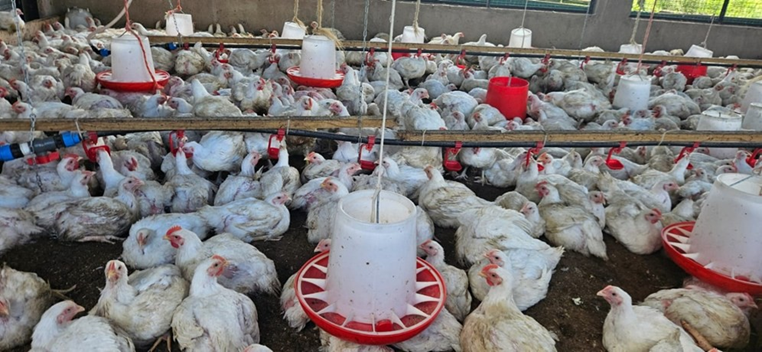
Figure 1: Wet litter due to early withdrawal of the heating system.
Cold stress combined with poor air quality creates a cycle that reduces bird welfare, increases disease susceptibility, and raises mortality rates, ultimately affecting overall farm performance. Often, farmers who encounter this problem rely heavily on antibiotics to treat health issues that usually arise from wet litter in the house, which means more money is spent on raising each bird.
2.2. Suboptimal Growth and Performance
Reduced heating results in cold stress, which affects broiler performance in several ways. Cold temperatures reduce feed intake, lower weight gain, and negatively affect meat quality. Additionally, energy that should be used for growth is diverted toward maintaining body temperature. This leads to slower growth rates and delayed market readiness, ultimately reducing farm profitability and efficiency.
2.3. Increased Mortality Rates
Cold stress weakens the immune system, making broilers more susceptible to respiratory infections and other diseases. Birds may also huddle together in response to cold temperatures, which increases the risk of disease transmission. Increased mortality rates result in financial losses, particularly because older birds represent a higher investment in feed, labor, and management.
2.4. Negative Impact on Feed Conversion Ratio (FCR)
Suboptimal heating disrupts metabolism and reduces feed efficiency. Poor FCR results in increased feed costs and reduced profitability. Under ideal conditions, body weight increases with relatively efficient feed conversion during early growth, with efficiency gradually decreasing as birds age (figure 2). Also, bird losses such as late mortalities contribute to increased FCR because the total feed usage is allocated to the total mass of surviving chickens and that increases the conversion dramatically.
Figure 2: Relationship between age and FCR of broiler birds during a growing cycle.
Rearing broilers is associated with increasing costs, however, this does not mean heating should be withdrawn at about 2 to 3 weeks of age, as birds still require optimal environmental conditions to convert feed efficiently into muscle rather than using energy to maintain body temperature.
3. Striking a Balance: Cost-Cutting vs Welfare and Productivity
While reducing operational costs is essential for maintaining profitability, farmers must strike a balance that does not compromise bird welfare or productivity. Optimizing heating systems after 21 days can help maintain performance while controlling costs.
3.1. Regular Maintenance and System Upgrades
One of the most effective ways to improve heating efficiency is through regular maintenance and system upgrades. Investing in energy-efficient heating systems can reduce energy consumption while maintaining optimal temperatures in the broiler house.
3.2. Temperature Monitoring and Control
Temperature monitoring and control systems allow farmers to manage heating more effectively. Some
affordable devices would give indications of house temperatures and relative humidity.
Figure 3: Affordable digital thermometer commonly used in poultry houses
Automated systems can adjust heating levels based on bird age, external weather conditions, and time of day. This ensures birds remain comfortable while minimizing unnecessary energy use.
3.3. Improved Insulation and Ventilation
Proper insulation helps minimize heat loss and maintain stable temperatures within broiler houses. Insulating walls, ceilings, and floors helps conserve heat and reduces the need for excessive heating. Efficient ventilation systems also improve air quality, reduce moisture buildup, and control ammonia levels, creating a healthier environment for broilers.
4. A Sustainable Approach to Heating Systems
Cost-cutting strategies that compromise heating systems can negatively affect broiler welfare, growth, and profitability. Maintaining optimal environmental conditions ensures birds convert feed efficiently into muscle rather than using energy to maintain body temperature. Investing in efficient heating systems, proper insulation, and real-time monitoring helps farmers maintain bird comfort while minimizing energy costs. Additionally, proper ventilation must not be sacrificed when heating is applied. Good ventilation removes excess moisture, improves air quality, and reduces harmful gas buildup while maintaining thermal comfort.
You can ventilate while heating up your profit.
Properly balancing heating and ventilation allows farmers to maintain bird welfare, improve performance, reduce mortality, and ultimately increase profitability. Striking the right balance between cost management and environmental control is essential for sustainable and profitable broiler production.
For more information regarding the disincentive effect of cost-cutting strategies on heating systems in Broiler farming beyond 21 days, please contact your De Heus technical advisor - https://www.deheus.co.za/meet-our-team


