
Natural Power in Animal Feed Production
When it comes to getting the most out of livestock production on the farm, success is determined by prioritizing three key factors: namely, balanced nutrition, effective health and management strategies. The De Heus Natural Power concept is a holistic farming approach aimed at boosting livestock immunity and performance while significantly reducing antibiotic reliance. It centres on optimizing animal health through tailored nutrition, improved farm management, and proactive preventive health measures. This article focuses on the role of Natural Power in animal feed production and nutrition on the farm.

Starting at the beginning: Raw Materials
Optimum animal nutrition begins with the raw materials that make up the complete feed. The raw materials that can be utilized for each species are carefully curated to ensure they meet the requirements for optimum nutrient requirements and digestibility. De Heus strives to incorporate sustainability into animal feed production to ensure that the resources the company utilize will continue to be there for the generations to follow. A part of Natural Power is using sustainable ingredients in animal feed that protect the planet, save money and keep animals healthy.
Sustainable raw materials use fewer resources like land or water, lower cost by utilizing leftover crop materials, by-products and food waste rather than importing more expensive international grains.
Sourcing ingredients locally also protects farmers from global supply shortages. By-products of the human food industry can also serve as high-quality animal feed ingredients. Wheat bran, rice hulls, soya hulls, DDGS (Distillers Dried Grains), corn gluten meal, brewer’s grain, bread meal, soy bean meal, citrus pulp, molasses and whey powder are just a few examples of by-products that can be safely, nutritionally and effectively utilized in livestock feed in a sustainable way.
Sustainable raw materials use fewer resources like land or water, lower cost by utilizing leftover crop materials, by-products and food waste rather than importing more expensive international grains.
Sourcing ingredients locally also protects farmers from global supply shortages. By-products of the human food industry can also serve as high-quality animal feed ingredients. Wheat bran, rice hulls, soya hulls, DDGS (Distillers Dried Grains), corn gluten meal, brewer’s grain, bread meal, soy bean meal, citrus pulp, molasses and whey powder are just a few examples of by-products that can be safely, nutritionally and effectively utilized in livestock feed in a sustainable way.
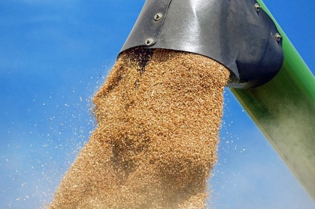
Quality control of all animal feed ingredients is crucial. Quality control at feed mills involves a strict, multi-step checking system to ensure raw materials are safe, nutritious, and free from contaminants. Feed mills cannot make high-quality animal food from bad ingredients, so they test everything before it ever enters a storage silo.
At De Heus, every delivery of raw materials is analyzed to ensure that it meets the correct quality parameters, including moisture, protein, fat and fibre levels as well as particle size using near infra-red (NIR) scanning and sieve tests. Raw materials are thoroughly inspected to ensure that they are devoid of toxic contaminants such as poisonous plants or insects. A retention sample of each raw material is also taken and stored for recordkeeping purposes, and select samples are sent away for external testing for mycotoxin contamination and as a control to ensure in-house results remain accurate.
Natural Power in the production phase
Feed nutrients, structure and quality control thereof is the next critical step in optimizing animal nutrition as part of Natural Power. The micro- and macrostructure of feed plays a crucial role in the intake, digestion, efficiency and ultimately performance of the feed and livestock. Particle size dictates how well an animal digests its food and builds its natural defense system. The mill fine-tunes its grinding sieves according to the target animal's digestive tract.
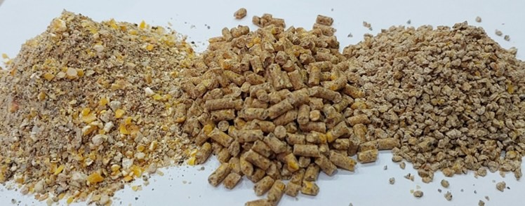
For example, the mill creates a coarser grind for poultry compared to pigs, which specifically promotes gizzard function and strengthens the gastrointestinal tract, ensuring the bird absorbs nutrients better without requiring digestive medicines. The correct feed structure choice can make the difference between struggling to meet goals and achieving optimal production performance in animals.
During production, feed mills also make use of advanced conditioning and pelleting, where applying heat and pressure at the pellet mill is highly controlled to maximize starch digestibility while protecting heat-sensitive vitamins. For hygiene and sanitation, the feed is thermal-conditioned (heated) to specific temperatures to eliminate pathogens like Salmonella and E. coli before pelleting, keeping the feed bio secure.
Strict micro-dosing and homogeneous mixing is important to ensure that vitamins, minerals and natural additives are spread evenly through the batch, to prevent the occurrence of some animals receiving too much while others get a deficiency, leading to digestive issues and disease. To ensure this, digital scales are strictly calibrated to prevent under- or over-dosing active natural health ingredients. The mill also monitors the mixing time and coefficient of variation (CV) closely. A higher over-dosage mixture percentage and standardized ingredient densities ensure every single mouthful of feed contains the exact balance of immunity-boosting nutrients and thus homogeneity targets can be met.
A clean mill environment prevents cross-contamination between batches. If a feed mill must produce a medicated feed line for an emergency farm outbreak, they run "flush batches" of blank grains through the pipes afterward to clean the system completely, preventing accidental antibiotic residues from leaking into Natural Power feeds.
Finally, feed mills like De Heus have biosecurity certifications such as membership to AFMA (Animal Feed Manufacturer’s Association) to ensure that all legal requirements for safe feed production are met.
Formulation: Tailored nutrition for on-farm implementation
Ensuring that livestock receives the correct nutrients for each phase of life is an equally important factor in achieving Natural Power in nutrition. Phase feeding is highly recommended; this is a management method where the animal's recipe changes frequently to match its exact growth stage. For example, in poultry, young chicks need feed with a high protein and balanced amino acid content while gastro-intestinal tract (GIT) and immune system development takes place in the first stage of life, whereas older chickens need higher energy and lower protein contents in their feed to accommodate higher maintenance costs and energy requirements for production of meat or eggs.
The graph below shows the most important growth phase per age of pullets (e.g. organs in the first 6 weeks).
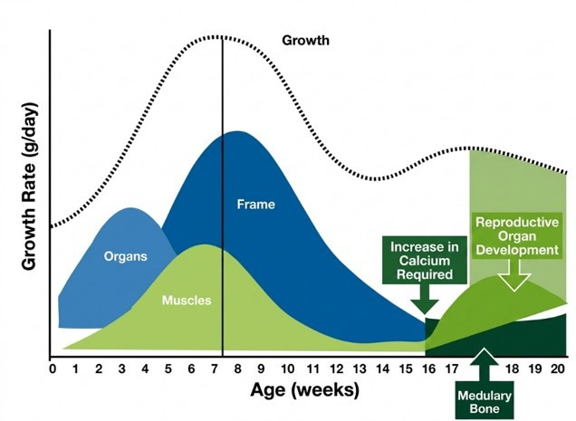
Graph 1: Multiphasic growth of pullets, adapted from Kwakkel et al. (1993).
The nutritional content of each raw material is taken into consideration to create the optimum blend of nutrients required for each production phase. Implementing the De Heus Natural Power concept in feed formulation means designing a recipe that actively builds gut health and immunity instead of just meeting basic nutrient targets. In contrast, standard formulation, nutritionists focus solely on the cheapest way to hit raw protein and energy numbers. Formulating with Natural Power in mind involves strict amino acid balancing and achieving lower crude protein. Focusing mainly on crude protein as a measure of a formulation is an outdated approach that can often result in an oversupply of nitrogen. This can be harmful because it overloads the animal's digestive system, wastes money, and pollutes the environment. Crude protein is just a rough measurement of all the nitrogen in the feed, much of which the animal cannot actually use. To ensure the animal still grows well, nutritionists can add precise amounts of pure, synthetic amino acids (like lysine, methionine, and threonine). This step meets the animal's muscle-building needs perfectly without overloading its digestive tract.
Furthermore, nutritionists set a formulation matrix that favours high-quality, highly digestible ingredients that are easy on the animal's stomach, especially during young growth phases. Limits are set on anti-nutritional factors in formulation, which restricts the use of raw materials that contain natural plant toxins or irritants (like specific raw legumes) that cause gut inflammation. Nutritionists can also formulate specific enzymes (like phytase and xylanase) into every batch of feed. These enzymes break down tough plant fibers and minerals, ensuring the animal digests its food fully and leaves no waste behind to irritate the gut.
Risk management is also a critical part of feed formulation. Many raw materials contain naturally occurring mould toxins (mycotoxins) that may damage the delicate lining of an animal's gut, potentially opening the door for diseases to take hold. To minimize the impact of these toxins, the formulation system connects directly with the lab's quality control test data to prevent high levels of mycotoxin contamination in a ration. If grain testing shows a rise in mycotoxins, as has often been seen after a wet harvesting season, nutritionists can recommend including or increasing the dosage of specialized toxin binders (like clay or yeast cell walls) in the recipe to trap and neutralize the toxins safely.
Finally, even when all effort is taken in formulating the optimal ration for farm requirements together with Natural Power, achieving the correct intakes goes hand in hand with making sure livestock receives the correct nutrition. The responsibility for this lies in efficient farm management.
Animal nutritionists can design and produce the best feed in terms of nutrients and raw materials, but if the animals do not receive sufficient feed allocations on farm, even the highest quality feed cannot ensure that performance goals are met. Feed intake is important to fulfill nutritional needs; no intake means no nutrient absorption.
Conclusion
Natural Power is a concept that combines each aspect of animal health, management and nutrition to optimize livestock production. The production of animal feed is an area where Natural Power can be implemented to make a vital difference in not only animal performance on farm, but in sustainability, food safety and resource optimization.
For any technical and nutritional assistance, please contact your De Heus technical advisor - https:// www.deheus.co.za/meet-our-team/.


